Chaumet: 20 shortlists, no prize
Reaching the final six is the hard part — and Chaumet has done it 20 times across 47 entries between 2007 and 2024 without once being called up. The jury is a different filter from the Academy.
Chaumet's recordGrand Prix d'Horlogerie de Genève · 2026
26 years of GPHG results, read as data, to work out which watches are most likely to take a prize.
One per category, scored out of sample.
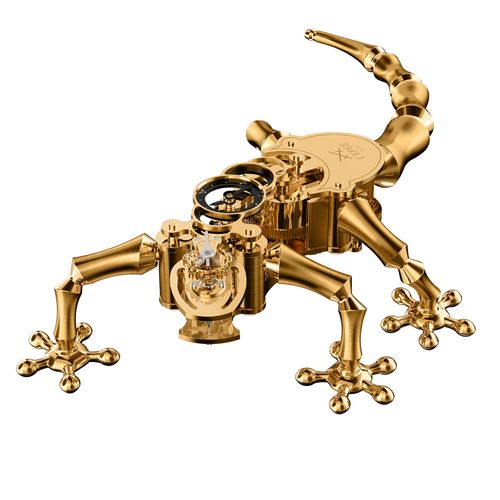
The model's favourite. It did not win.
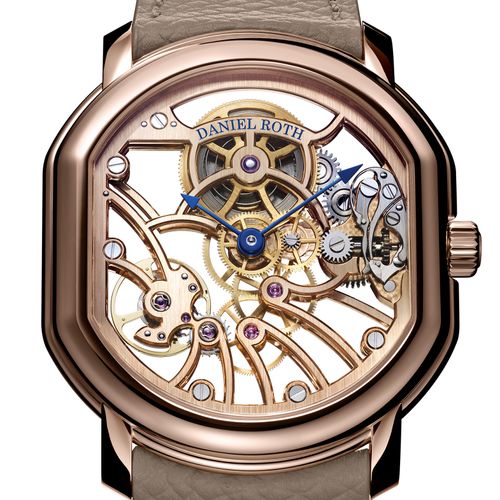
The model's favourite — and it won this category.
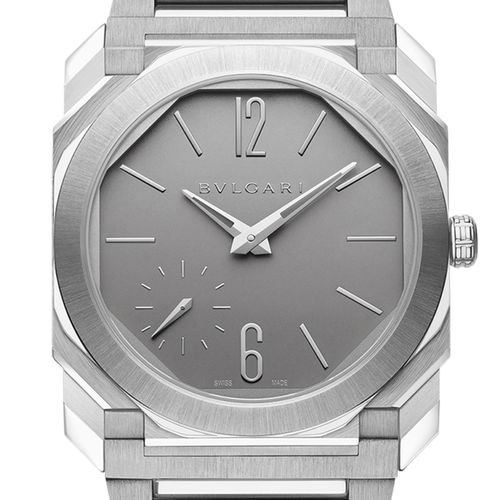
The model's favourite. It did not win.
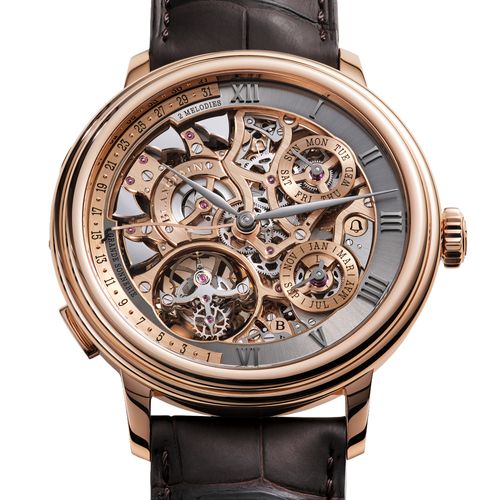
The model's favourite — and it won this category.
The model's favourite. It did not win.
The model's favourite. It did not win.
The model's favourite. It did not win.
The model's favourite. It did not win.
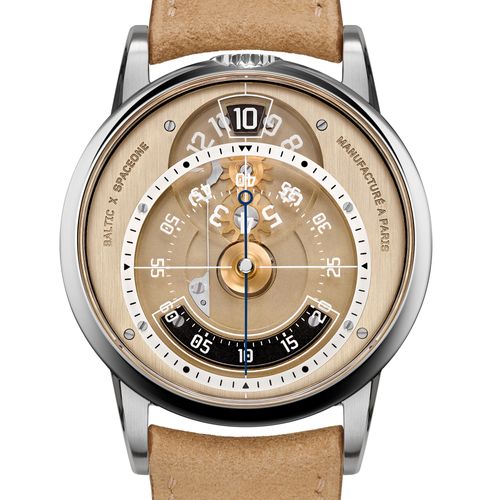
The model's favourite — and it won this category.
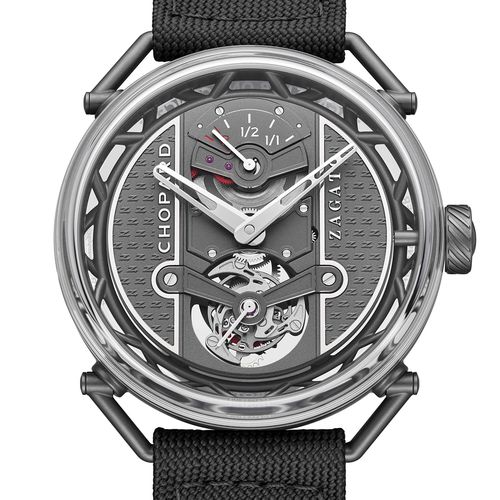
The model's favourite. It did not win.
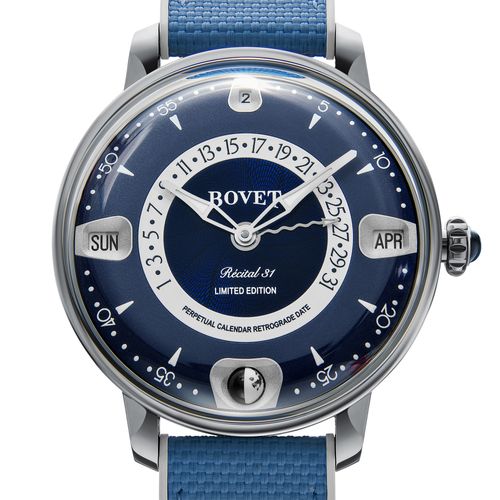
The model's favourite. It did not win.
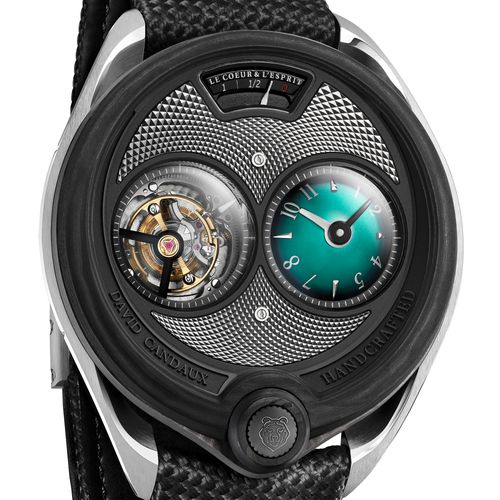
The model's favourite. It did not win.
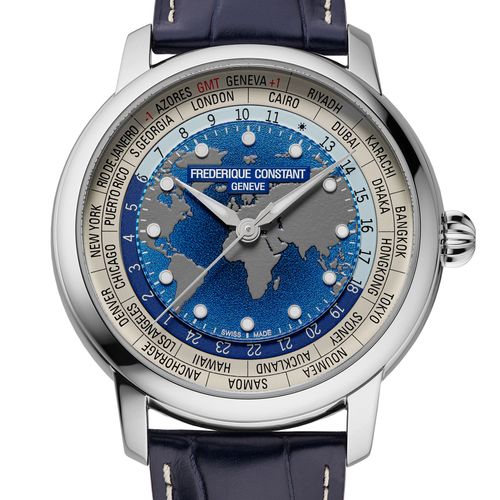
The model's favourite. It did not win.
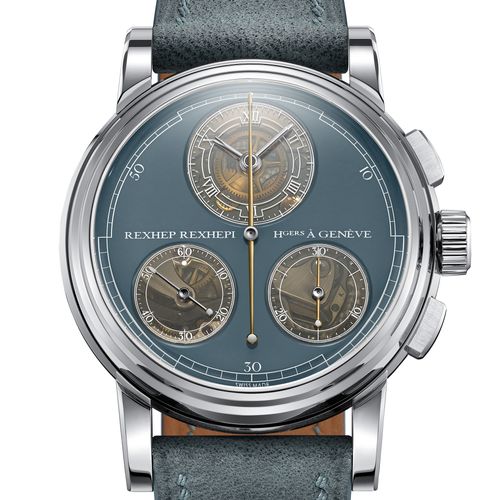
The model's favourite. It did not win this category, but it took another GPHG prize.
This is a statistical prediction based on historical GPHG data. It is not a GPHG result and not betting odds.
Scored on 98 shortlists the model had never seen, 2020–2026.
In plain language: pick the model's top watch in a category and it wins that category about one time in three — against one time in six for a name drawn out of the six finalists at random. That is roughly 1.9× better than chance, on 31 hits from 98 shortlists. It is an edge, not a crystal ball.
Counted more generously — the favourite winning any GPHG prize that year, including the cross-category awards it might also be up for — the model hits 38% against a 22% baseline. Both measures are shown because they answer different questions; the headline above is the stricter one.
Every figure here is out of sample: for each edition the model was retrained with that year removed, then asked to rank it. The blind-guess baseline is measured from the same shortlists under the same rule, never assumed to be one-in-six. Shortlists whose winner we could not match to a finalist are excluded from both sides. Ranking quality across all shortlisted watches is 0.62 ROC-AUC. Full definitions →
Every category the model has been graded on, 2020–2026.
Individual editions swing hard around that average — 2026, the most recent one we can mark, went 3 of 14. A six-watch shortlist and a jury of people is not a stable thing to predict, and the record is published either way.
See the 2026 resultsThe leading pick in each, by probability of winning.
Essential
Daniel Roth
Extra Plat Rose Gold Skeleton
53%
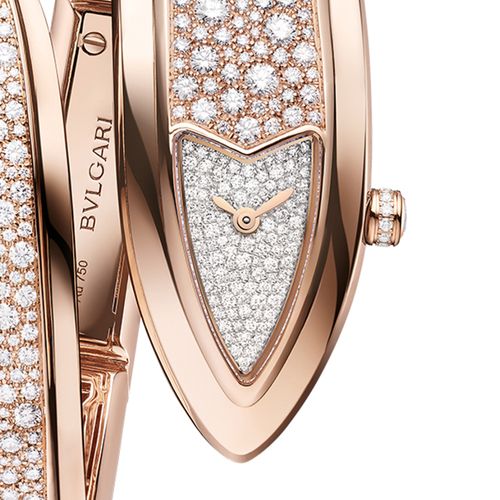
Time Only
Bulgari
Octo Finissimo 37 Satin-Polished Titanium
53%
Mechanical Exception
Blancpain
Grande Double Sonnerie
50%
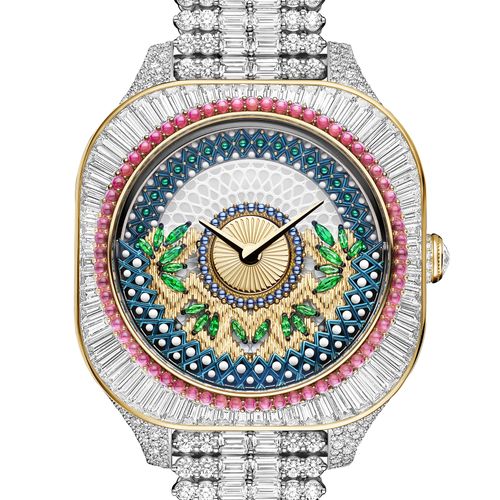
Jewellery
Dior Montres
Dior Grand Bal Nuit des Indes
45%
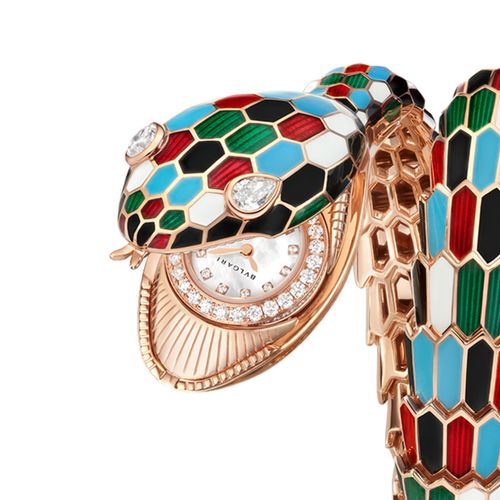
Artistic Crafts
Bulgari
Serpenti Misteriosi
44%
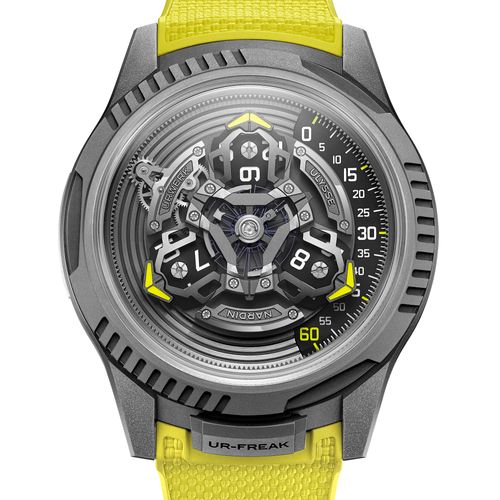
Complication
Ulysse Nardin x URWERK
UR-FREAK
41%
Three things 26 editions of results make plain.
Reaching the final six is the hard part — and Chaumet has done it 20 times across 47 entries between 2007 and 2024 without once being called up. The jury is a different filter from the Academy.
Chaumet's recordVolume is not the same as pedigree. MB&F has entered just 14 watches, but 62% of its shortlist appearances have turned into a prize — ahead of Voutilainen on 60%. Among brands with ten or more shortlists, nobody converts better.
MB&F's recordThe model's favourite has won 4 of 6 Calendar and Astronomy shortlists, and 0 of 4 in Mechanical Clock. Technical categories reward the same establishment names year after year; the decorative ones are far closer to a coin toss. Small samples — a handful of editions each.
How the model is scored